

Fueling Fusion Reactors: The Real Constraint in 2026
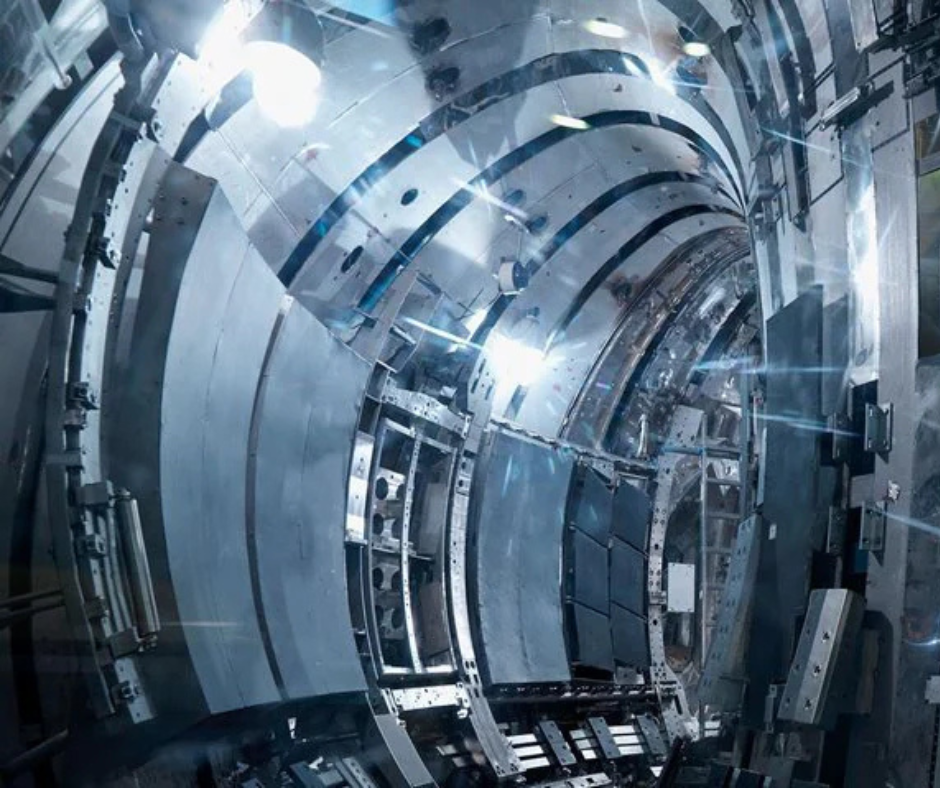
The fusion sector’s challenge in 2026 is no longer ignition, but fuel. Tritium scarcity, Lithium-6 enrichment, and emerging Helium-3 pathways are reshaping the commercial timeline. With private investment passing $15B, the competitive focus has shifted from plasma physics to supply chain sovereignty, regulatory pathways, and isotope autonomy.

Fusion Industry Investment Trends 2026: Where the Money Is Going
After crossing the $15 billion cumulative investment milestone in late 2025, the fusion industry entered 2026 with a fundamentally different capital structure. No longer a collection of isolated lab experiments, fusion investment is now forming a full industrial stack. Here are the five key investment trends defining the fusion industry in 2026.
How Commonwealth Fusion System Redefining Fusion Development in 2026
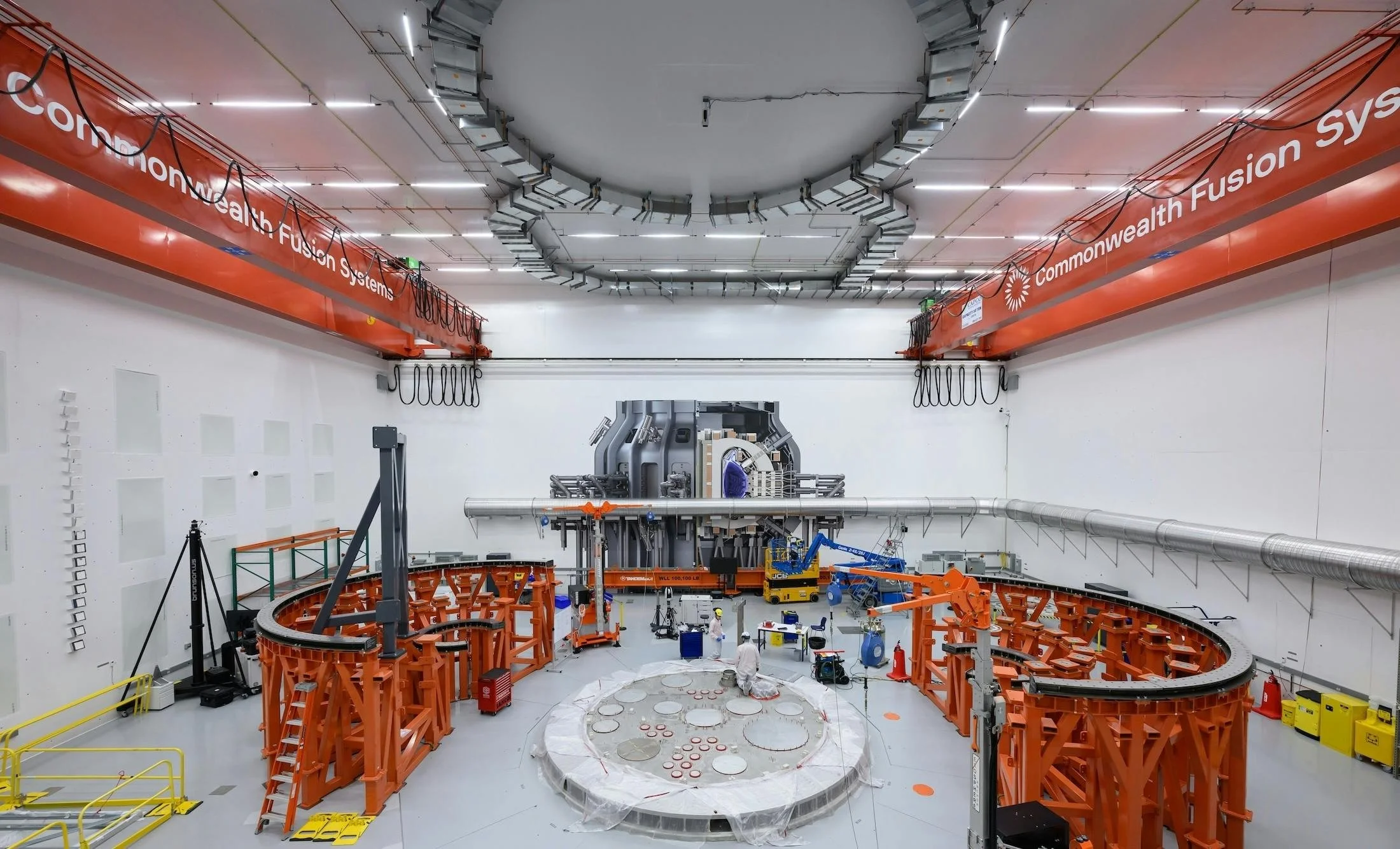
Commonwealth Fusion Systems has moved beyond the chalkboard. They are shifting fusion from the lab to the factory. With $3B in funding and a digital twin accelerating development, the race for commercial fusion has shifted from physics labs to industrial reality.

The Fusion Imperative: Why Emerging Economies Must Act by 2030
The 2030 fusion deadline is a strategic mandate for emerging regions to secure energy sovereignty. By transitioning from technology observers to "Midstream Hubs," these nations can bypass decades of structural dependency. As global capital de-risks the fusion industrial stack, the window to integrate local mineral wealth and manufacturing into the global supply chain is now. Act by 2030 to lead the post-renewables era.

CEP Forward Look at the 2026 Fusion Industrial Frontier
2026 marks the leap from fusion experiments to industrial reality. Early leaders will be defined by engineering mastery, supply chain dominance, and AI-driven operations. With utilities, tech giants, and M&A reshaping the landscape, the fusion sector is poised for its first era of large-scale, commercial energy production.

Fusion Technology That Will Lead 2026 Development
Fusion energy crossed a critical threshold in 2025. What was once experimental plasma science is rapidly becoming industrial infrastructure. As technology developed, it became a race to reveal which technologies are truly ready to plug into the grid and which will define the future of clean baseload power.

Fusion Energy Lens: 2025 Year of Industrial Transition
2025 marks the year nuclear fusion transitions from experimental research to measurable industrial deployment. Driven by AI, regulatory innovation, and strategic hubs across North America, Europe, China, and Japan, this wrap-up highlights key milestones, market acceleration, and the outlook for grid-connected pilot plants by 2028–2030.

Top 5 Fusion Companies to Watch in 2026
2026 marks the shift from fusion theory to industrial reality. As companies have move from labs to factories, discover the five leaders defining the next era of global energy deployment.

Fusion’s Decisive Era: What We Need to Watch in Near-Term Opportunities
Fusion energy is entering a decisive era where engineering, investment, and strategic planning define near-term progress. With early PPAs, industrial assembly milestones, and global collaboration underway, this article explores the opportunities, risks, and timelines shaping fusion’s path from demonstration to market readiness.

Robotics, The Commercial Spillover of the Fusion Economy
Fusion reactors need robots. This necessity is creating a huge demand for advanced, radiation-proof systems, making robotics the first commercial boom of the fusion economy. Here is how robotics is set to elevate fusion commercialization.

Inside China's Bid to Become The World Fusion Power Hub
China is actively seeking to become the World Fusion Power Hub. Over the past year, Beijing has executed a coordinated strategy by combining reactor-ready engineering progress, the influx of top international talent, and formal institutional backing. This structural momentum suggests China is building the core architecture for a new, multipolar fusion industry.

What It Really Takes to Finance Fusion: The 2025 Commercial Reality Check
Fusion is moving from a physics breakthrough to a finance-driven industry. FOAK plants demand de-risking through smarter capital stacks, regulatory clarity, liability protections, and diversified revenue. This piece outlines the strategic policy, financial, and market levers required to make fusion commercially bankable. It highlights the financial realities shaping the path from FOAK to scalable fusion power.

From Fission Readiness to Future Fusion Pathways in ASEAN
ASEAN is emerging as an unexpected new player in the global fusion landscape. With rising energy demand, nuclear-readiness efforts, and early fusion research, could Southeast Asia become the next frontier in fusion energy development?

The Fusion Effect: How Spinoff Economy Powering Industry Today
While the world asks, “When will fusion arrive?” a quieter revolution is already underway. Over USD 10B in private investment is fueling fusion-derived technologies that are transforming healthcare, defense, AI infrastructure, and advanced manufacturing today. The fusion spinoff economy, projected to reach nearly USD 612B by 2034, is proof that commercial impact has already begun.

Fusion Industry Q4 2025: Technology, Investment and Industrial Momentum
By Q4 2025, fusion pilot plants are advancing, supply chains are maturing, and engineering milestones are being achieved. Commercial readiness and global competition now define the race to establish fusion as a deployable, scalable, and bankable clean energy solution.

How SMEs Can Power the Global Race to Fusion Commercialization
Small and medium enterprises may not dominate headlines in the fusion world, but they are increasingly essential to its progress. From supplying critical components to accelerating innovation cycles, SMEs are shaping the global fusion ecosystem in ways large institutions alone cannot. Explore how SMEs are strengthening the fusion supply chain and why their role matters.

How Manufacturing, Capital, and Policy Are Converging to Accelerate Fusion
Fusion energy is entering its industrial era, where manufacturing capacity, investment, and policy clarity converge to accelerate commercialization. From HTS magnet production to tritium self-sufficiency, global developers are scaling engineering solutions. With digital tools and clear regulations, the race is on to bring fusion power from labs to the grid by the 2030s.

Powering the Future: Why Fusion Needs Global Collaboration
From bilateral deals to global frameworks, a new wave of international collaboration is reshaping the path to fusion energy. Together, countries are proving that shared progress is the real power behind the stars.

Empowering the Next Fusion Workforce Revolution
Beyond engineers and physicists, the fusion era demands talent from manufacturing, digital technology, policy, and education—creating one of the most multidisciplinary job ecosystems in modern history. Yet, a growing skills gap threatens to slow progress.

The Fusion Effect: How Bold Capital Is Accelerating Future of Energy
Fusion energy, the clean, limitless power source of the future, is accelerating thanks to bold capital investments. With private funding surging to USD 9.77B, leaders like Breakthrough Energy Ventures and Lowercarbon Capital are driving fusion from concept to commercialization. Discover how capital is transforming energy's future.